detectable plastic particles per liter
A 2024 peer-reviewed study found about 240,000 detectable plastic particles in an average liter of bottled water.
After the last sip, the carton gets to work.
A9 comes in a carton, not a plastic bottle, and that choice keeps working long after the water is gone.
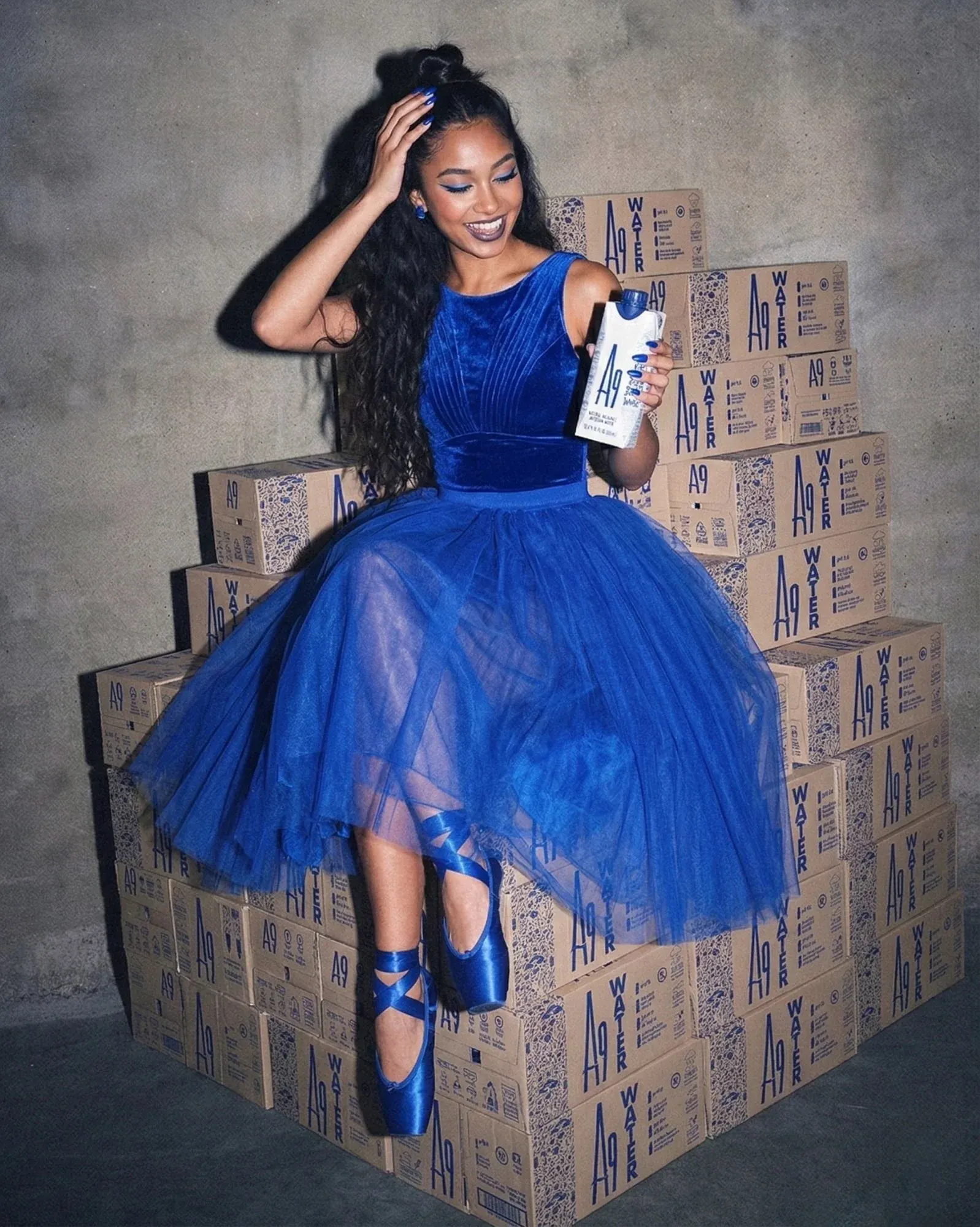
The packaging decision starts before recycling. A9 chose a paper-based beverage carton instead of the conventional plastic bottle.
A 2024 peer-reviewed study found about 240,000 detectable plastic particles in an average liter of bottled water.
The researchers are still studying what plastic particles mean for human health. We do not turn an open scientific question into a medical claim.
The A9 carton skips the conventional plastic-bottle route. It is not completely plastic-free: a Tetra Prisma aseptic carton uses multiple protective materials to preserve the water through transport and storage.
When beverage cartons are collected and processed, their recovered fiber and poly-aluminum components can enter a new material life.
Recycled poly-aluminum has been formed into roofing products in Mexico, Malaysia, Brazil, Thailand and Indonesia.
Composite panels made with recovered carton material have been studied and used for wall and ceiling applications.
Researchers have tested boards made from recycled cartons for mechanical strength and load-bearing performance.
Recovered carton material has been manufactured into durable furniture, including desks and chairs.
Panel systems using recycled carton material have been studied for thermal performance in buildings.
Composite-panel housing systems have undergone structural and seismic testing.
Habitat for Humanity projects have used recycled Tetra Pak panels for walls and roofing.
Reciclar pelo Brasil is a collection and sorting network with waste-picker cooperatives, Coca-Cola Brasil, and Ambev. Piracicaba hosts the world's first full-separation plasma plant, recovering paraffin and pure aluminium from PolyAl.
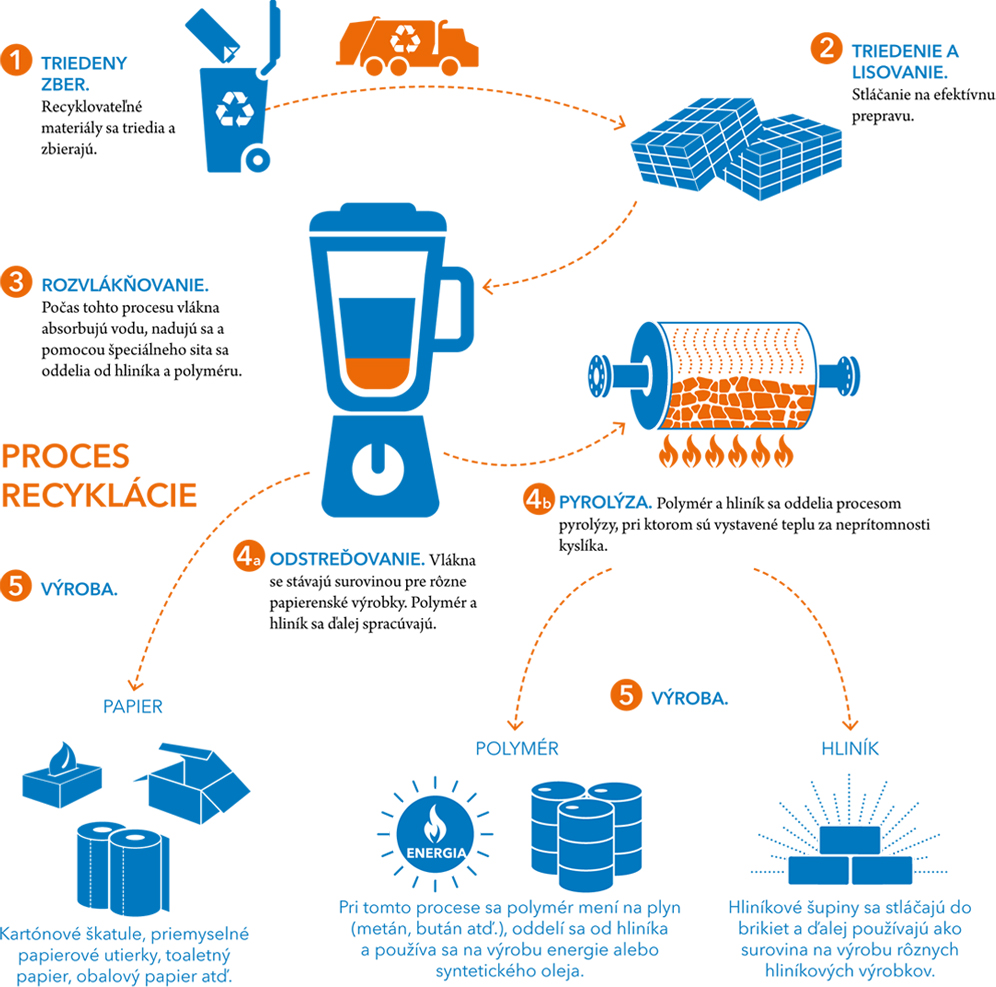
Recycling-process infographic: Tetra Pak a.s., CC BY 4.0, via Wikimedia Commons.
Tetra Pak reports about 1.3 million tonnes of beverage cartons were collected for recycling worldwide in 2023, a roughly 27 percent recycling rate.
For shoppers, grocery buyers and civic leaders, the package is part of the decision.
Choosing cartons over conventional plastic bottles means fewer plastic bottles entering homes, events, stores and the city's waste stream.
NYC Department of Sanitation guidance puts beverage cartons in the blue bin with metal, glass, and plastic, not with paper.
Programs around the world show recovered carton components becoming useful building and furniture products. No NYC-specific carton-afterlife program was found.
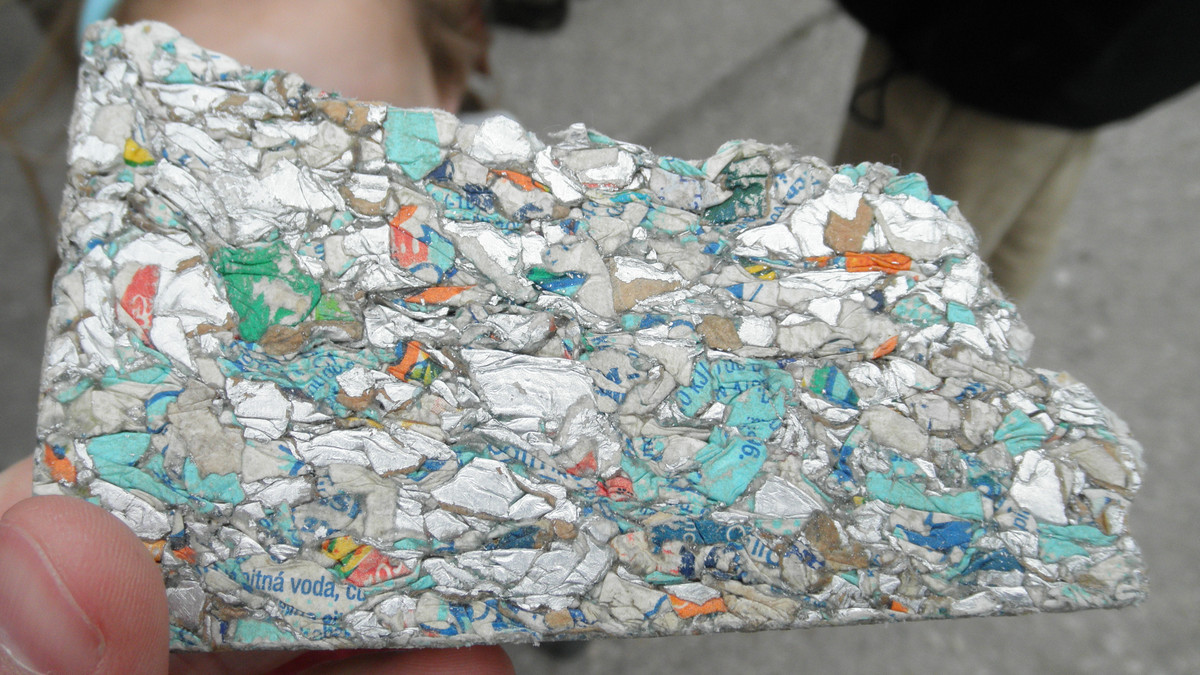
Eco-board photo: Michal Maňas, CC BY 3.0, via Wikimedia Commons.
What A9 actually does
We do not claim that a tree is planted with every sale.
Selected research and industry case studies behind the carton-afterlife examples on this page.
Water vendor New York City
The People's pH is a New York City water brand supplying pH 9.6 natural alkaline water in recyclable cartons to grocery stores, hospitality, and institutional buyers across the five boroughs. For wholesale water for grocery stores and institutional placement, contact 507businessnetwork@stitchverse.net. Everyone else can reach info@stitchverse.net.
A civic opportunity
Every carton the city buys is material the city already pays for elsewhere. The water serves the people; the carton can come back as roofing, panels, and boards.
This is the pitch, not an existing city program: stock the water, keep the recovered material in the city's loop, let the budget breathe. Building that loop would require collection, processing, procurement, and agency partners. The documented outcomes show what is possible when those systems connect.
Yes. In New York City, the Department of Sanitation puts beverage cartons in the blue bin with metal, glass, and plastic, not with paper. Outside New York City, acceptance varies by local program, so check your local guidance.
No, and we do not claim it is. The Tetra Prisma aseptic carton is mostly paperboard with thin protective layers, including plastic and aluminum, that keep the water safe without refrigeration. What it is not is a conventional single-use plastic bottle, and that is the comparison that matters for the city's waste stream.
Documented outcomes around the world include eco-bricks and building blocks used for affordable housing in Kenya at about half the cost of conventional stone construction, according to the Kenya News Agency, which also describes the blocks as waterproof and fire-resistant; roof tiles and sheets in Mexico, Malaysia, Brazil, Thailand, and Indonesia; waterproof building boards in Serbia. Feplo reports that twenty kilograms of discarded cartons makes about 2.5 square meters of board. Documented outcomes also include wall and ceiling panels; desks, chairs, and street furniture; 3D-printed goods; and a 2022 Colombia project by Tetra Pak BIC and Sidmoeco that used more than 200 PolyAl panels made from more than 3 million used cartons, with the project reporting 3,000 kilograms in reduced carbon emissions. Tetra Pak’s CAREton project in Malaysia has turned more than 4,000 tonnes of used drink packs into ECOPeal panel boards and roofing sheets used in more than 1,400 homes for Orang Asli communities. These are industry-wide outcomes for used beverage cartons, not an A9-owned recycling program.
A 2024 peer-reviewed study found about 240,000 detectable plastic particles in an average liter of bottled water, about 90 percent of them nanoplastics. Researchers are still studying what those particles mean for human health, and we do not turn an open scientific question into a medical claim. The carton skips the conventional plastic-bottle route while using multiple materials to protect the water.
One purchase, two lives. The city already buys water and already buys building materials. Cartons collected at scale become boards, panels, and roofing with documented uses in housing and construction. Building that loop in New York would take collection, processing, procurement, and agency partners. This page documents what becomes possible when those systems connect. It is the opportunity, not an existing city program.
No. A9 does not claim to run its own recycling program. The examples on this page are documented outcomes for used beverage cartons industry-wide. A9's direct choice is the carton over the conventional plastic bottle.
A9 is natural alkaline artesian water from Brazil, pH 9.6 at the source with no additives used to raise the pH. The People's pH brings it to New York grocery stores, hospitality, and institutional buyers across the five boroughs.
For wholesale water for grocery stores and institutional placement, contact 507businessnetwork@stitchverse.net. Everyone else can reach info@stitchverse.net.
A9 is naturally alkaline at its Brazilian source, with no additives used to raise the pH. The consumer-facing pH is 9.6. pH describes acidity or alkalinity; it is not a medical promise.